
How Electric Toothbrushes Fit into Smart Healthcare Ecosystems?

The digital revolution is rapidly transforming every aspect of our personal wellness. We now track our heart rates, sleep cycles, and daily steps using wearable technology. However, oral health often remains an isolated part of our medical history. This is changing quickly as the modern electric toothbrush evolves into a sophisticated data hub.
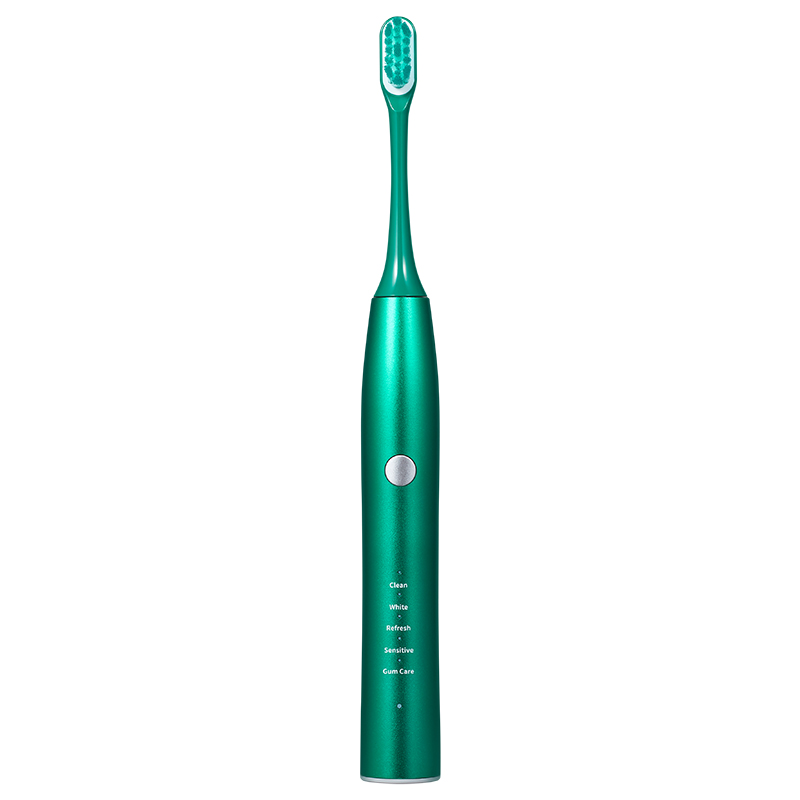
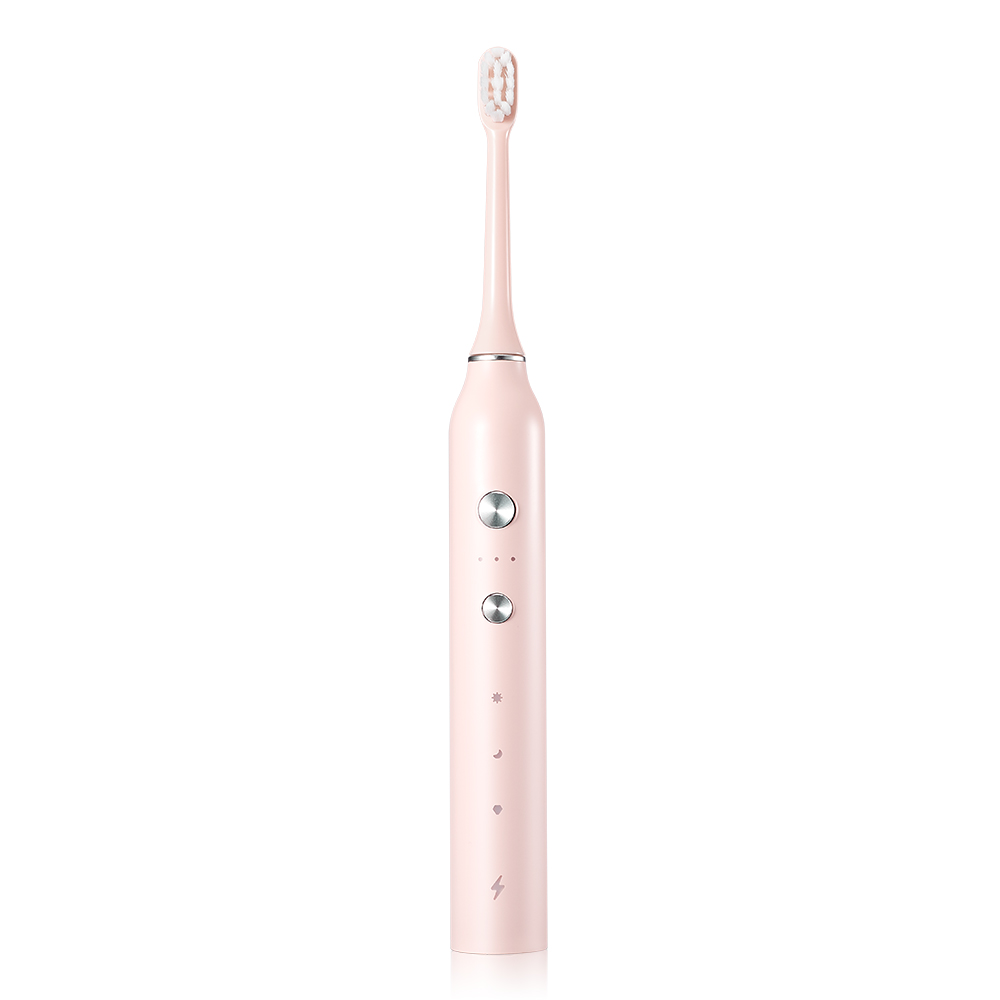
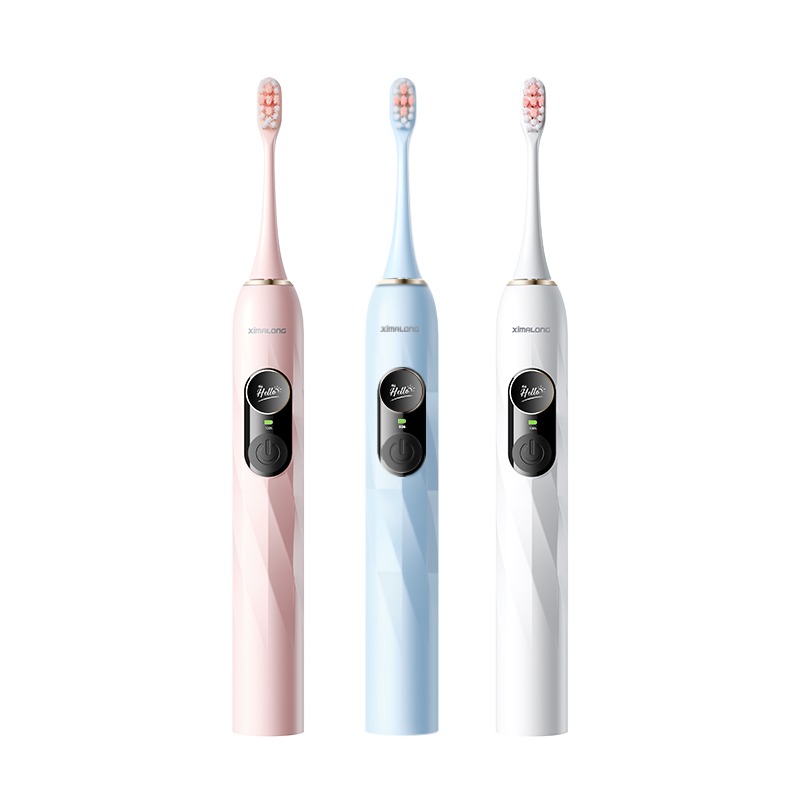
Today, these devices do much more than just vibrate against your teeth. They serve as critical entry points into broader smart oral care devices networks. By collecting real-time data, they bridge the gap between home hygiene and professional dental care. In this article, we explore how these tools integrate into modern healthcare ecosystems. Let us examine the future of connected dentistry!
The Rise of Smart Oral Care Devices in IoT
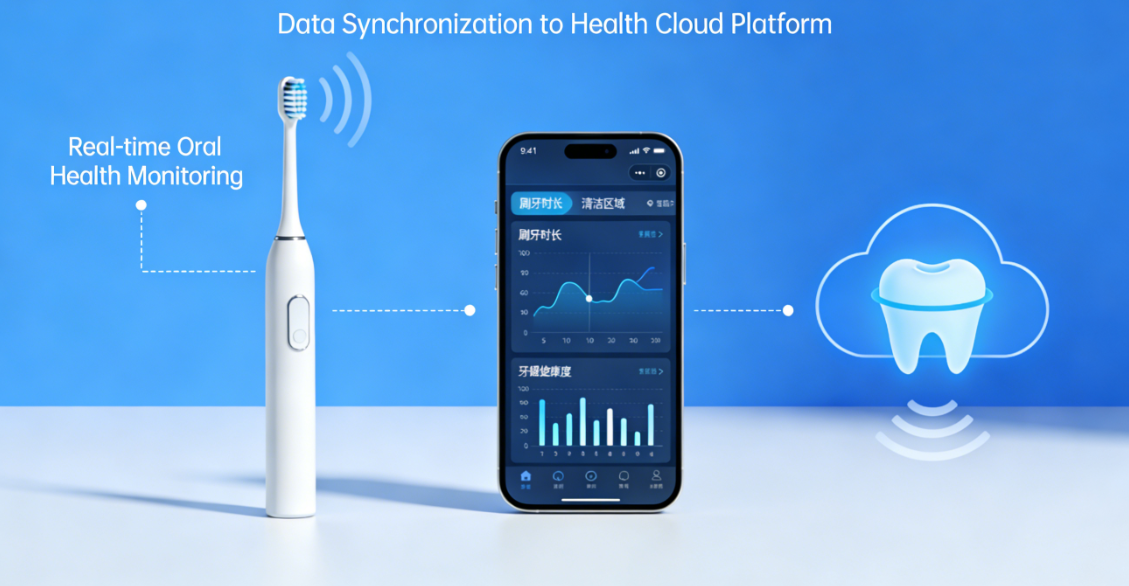
The Internet of Things (IoT) has finally entered the bathroom. Modern toothbrushes now feature Bluetooth connectivity and advanced motion sensors. These components allow the brush to communicate directly with your smartphone or tablet.
Real-Time Biofeedback
Smart brushes track your brushing duration, pressure, and surface coverage. They provide instant feedback through mobile applications. Consequently, users can correct their technique immediately. This proactive approach prevents common issues like gum recession or plaque buildup.
Data Storage and Analysis
The device stores your hygiene habits over weeks and months. It identifies patterns that a human might easily overlook. For instance, it may notice you skip the back molars consistently. This long-term data provides a clear picture of your overall oral health trajectory.
Integration with Professional Dental Networks
One major benefit of these ecosystems is the connection to your dentist. Traditionally, dentists only see your teeth twice a year. They cannot know what happens during the other 364 days.
Remote Patient Monitoring
Some healthcare systems now allow users to share their brushing data with clinics. Dentists can review your daily performance remotely. This allows for personalized advice based on actual behavior. Furthermore, it helps professionals identify early signs of gingivitis before they become severe.
Streamlining Insurance Incentives
Insurance companies are showing great interest in smart oral care devices. Some providers offer lower premiums to users who maintain a perfect brushing record. This data-driven model encourages preventative care. Consequently, it reduces the need for expensive restorative procedures like root canals or crowns.
How AI Enhances the Healthcare Ecosystem
Artificial Intelligence is the "brain" behind these connected devices. AI algorithms analyze raw sensor data to provide deeper insights.
Predictive Diagnostics: AI can predict potential cavities by analyzing changes in brushing pressure.
Personalized Coaching: The system adapts its advice based on your unique mouth shape.
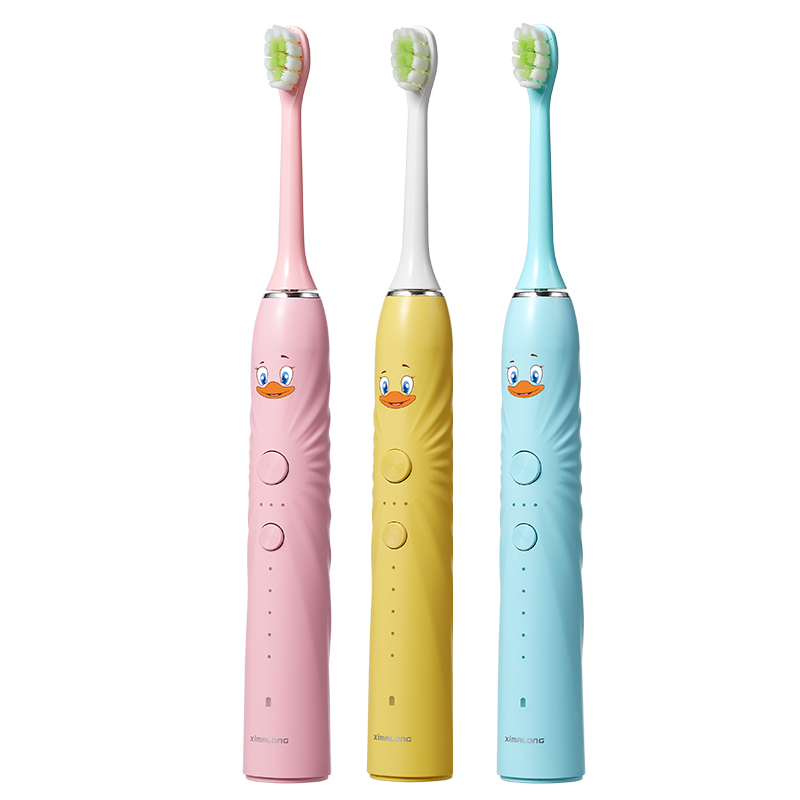
Gamification: Apps use AI to create fun challenges for children.
Replacement Reminders: The ecosystem tracks bristle wear and orders new heads automatically.
These features ensure that smart oral care devices stay effective over their entire lifespan. You no longer have to guess when your brush head is worn out.
Protecting User Privacy in a Connected World
As we share more health data, security becomes a primary concern. Healthcare ecosystems must prioritize the protection of sensitive personal information.
Encrypted Data Transmission
Most reputable brands use end-to-end encryption for their Bluetooth signals. This ensures that only you and your authorized providers see your data. Moreover, companies must comply with strict regulations like HIPAA or GDPR. These laws protect your digital identity within the healthcare network.
User Consent and Control
You should always maintain total control over who sees your data. Modern apps allow you to toggle sharing settings easily. You can choose to share data with your dentist but keep it private from insurers. This transparency builds trust between the user and the technology provider.
The Future: Holistic Health Integration
Oral health is closely linked to overall systemic health. Research shows strong connections between gum disease and heart conditions or diabetes.
Cross-Platform Health Syncing
In the future, your brushing data will sync with your general health records. Your doctor might see an increase in gum inflammation on your brush data. This could trigger a check-up for related systemic issues. This holistic view is the ultimate goal of any smart healthcare ecosystem.
Preventive vs. Reactive Care
The shift toward preventive care will save the global healthcare system billions. By catching problems early at home, we reduce emergency room visits. Smart oral care devices are the front line of this defense. They empower individuals to take charge of their own medical destiny every morning.

Technical Comparison: Standard vs. Smart Toothbrushes
Feature | Standard Electric Toothbrush | Smart Oral Care Devices |
Connectivity | None | Bluetooth / Wi-Fi |
Pressure Sensors | Basic Light (sometimes) | Real-time Data Logging |
App Integration | No | Yes (iOS/Android) |
Dentist Sharing | No | Yes (Cloud Sync) |
AI Analysis | No | Yes (Behavioral Tracking) |
A Smarter Way to Smile
The integration of the electric toothbrush into healthcare ecosystems is inevitable. It transforms a simple daily chore into a powerful medical diagnostic tool. By using smart oral care devices, you ensure a higher standard of hygiene for your family.
The data collected today will lead to better dental outcomes tomorrow. Embrace the technology that connects your bathroom to your doctor's office. A smarter brush truly leads to a healthier life. Start your journey into the smart healthcare ecosystem today!