
Why Do Dentists Recommend a High-Frequency Electric Toothbrush for Gingivitis Recovery?
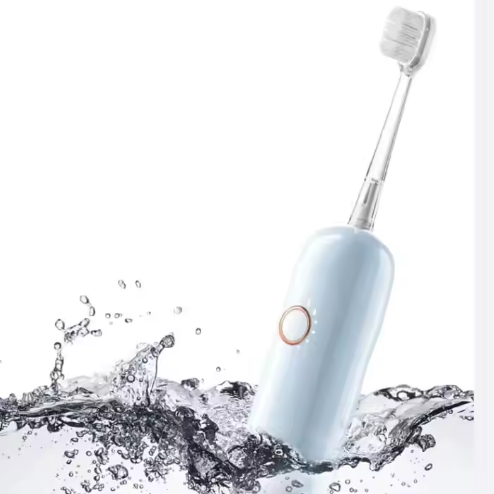
Do your gums bleed when you brush? You might have gingivitis. This early stage of gum disease affects millions of people worldwide. Fortunately, modern dental technology offers a powerful solution. Most dentists now suggest a high-frequency electric toothbrush to reverse these symptoms.
Manual brushing often fails to reach deep gum pockets. In contrast, advanced sonic technology disrupts plaque at a microscopic level. This guide explains why switching your brush is the best move for your oral health. Let's dive into the science of healing your gums!
Understanding Gingivitis and the Need for Better Tools
Gingivitis starts when plaque builds up along the gum line. Plaque contains harmful bacteria that irritate sensitive gum tissue. If you don't remove it, your gums become red and swollen.
The Problem with Manual Brushing
Many people brush too hard with manual tools. This scrubbing action actually damages delicate gum tissue. Furthermore, manual bristles cannot vibrate fast enough to break up hardened biofilm. You need a tool that works smarter, not harder.
How High-Frequency Tech Changes the Game
A high-frequency electric toothbrush moves at speeds up to 40,000 strokes per minute. These rapid vibrations create "fluid dynamics." This process pushes water and toothpaste into areas bristles cannot physically touch. Consequently, you clean deeper than ever before.
Key Benefits of Using an Electric Toothbrush for Gingivitis
Choosing an electric toothbrush for gingivitis is about more than just convenience. It provides specific therapeutic benefits that manual brushes simply cannot match.
Consistent Pressure Control: Many high-end models include pressure sensors. These lights flash if you press too hard. This feature protects your healing gums from abrasion.
Micro-Vibration Technology: High-frequency pulses massage the gum tissue. This action increases blood flow to the area. Better circulation speeds up the natural healing process.
Smart Timers: Most people only brush for 45 seconds. Dentists require two full minutes. Built-in timers ensure you give your gums the attention they deserve.
Why "High-Frequency" Matters for Plaque Removal
Not all electric brushes are equal. Some rotate, while others vibrate at high speeds. For gum recovery, frequency is the most critical factor.
Breaking the Biofilm
Bacteria live in a sticky "biofilm" that clings to your teeth. High-frequency waves create acoustic energy. This energy shatters the bond between the bacteria and your enamel. Therefore, you remove more plaque with less physical effort.
Reaching the Interproximal Spaces
The gaps between your teeth are breeding grounds for gingivitis. A high-frequency electric toothbrush creates micro-bubbles. These bubbles travel into the "interproximal" spaces to flush out hidden debris.
A Real-Life Success Story from the Forums
Real results speak louder than clinical jargon. Let’s look at a popular discussion from the Reddit r/OralHealth community.
The Community Case Study:
A user named "HealthySmile99" suffered from chronic bleeding for two years. They used a manual brush and flossed occasionally. After a check-up, their dentist suggested a sonic high-frequency electric toothbrush.
Within just three weeks, the user reported a 90% reduction in bleeding. They noted that the "sensitive mode" allowed them to clean without pain. The community consensus was clear: the consistent vibration did what manual scrubbing never could.
How to Use Your New Brush for Maximum Recovery
Buying the brush is only the first step. You must use the correct technique to see results. Follow these ultrasonic teeth cleaning tips for the best outcome.
1. The 45-Degree Angle
Hold the brush head at a slight angle toward the gum line. This position allows the bristles to slip slightly under the gum edge. Let the motor do the work; do not scrub!
2. Move in Quadrants
Divide your mouth into four sections. Spend 30 seconds on each area. Most high-quality brushes will "stutter" every 30 seconds to tell you to move.
3. Choose the Right Head
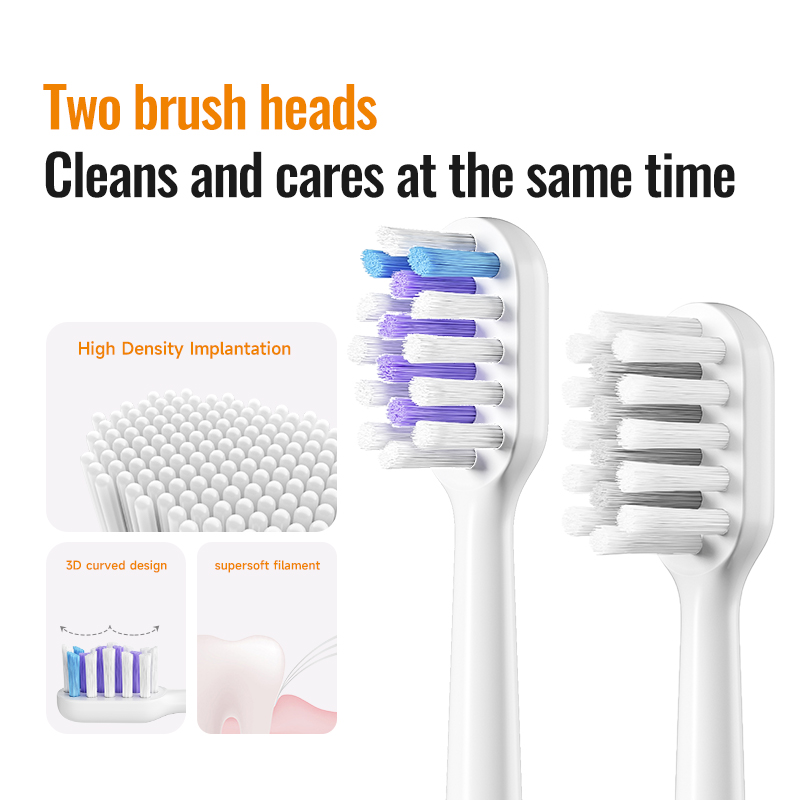
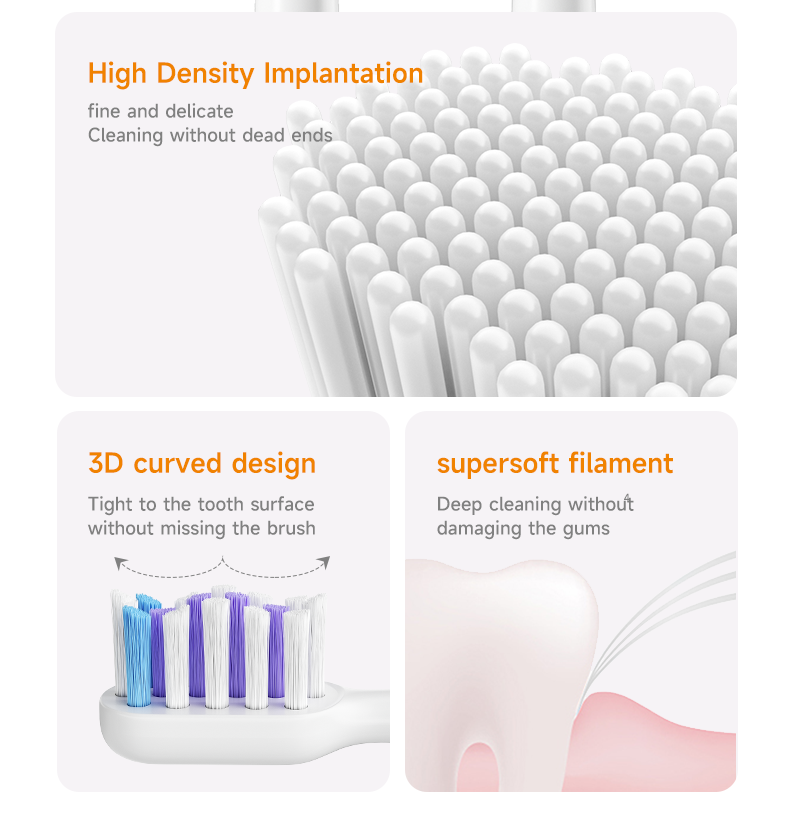
If your gums are currently inflamed, use a "Sensitive" brush head. These bristles are thinner and softer. They provide deep cleaning without causing further irritation.
Comparing the Best Toothbrush for Bleeding Gums
When shopping, look for specific features. Not every "electric" brush is a high-frequency electric toothbrush.
Feature | Manual Brush | Rotating Electric | High-Frequency Sonic |
Strokes per Min | ~300 | ~8,000 | 31,000 - 62,000 |
Gum Safety | Low (User Error) | Medium | High (Pressure Sensors) |
Plaque Removal | 50% | 80% | 99% |
Gingivitis Care | Minimal | Good | Excellent |
Maintaining Your Oral Health Gear
To keep your gums healthy, you must keep your tool clean. Bacteria can grow on damp bristles over time.
Rinse thoroughly: Wash away all toothpaste after every use.
Store upright: Let the brush head air dry in an open space.
Replace heads: Change your brush head every three months. Frayed bristles lose their ability to vibrate correctly.
Take Control of Your Gum Health
Recovering from gingivitis is entirely possible with the right tools. A high-frequency electric toothbrush offers the precision and power needed to stop gum disease. It removes plaque effectively while being gentle on your sensitive tissues.
Don't wait for your symptoms to get worse. Invest in an electric toothbrush for gingivitis today and enjoy a brighter, healthier smile! Your future self will thank you for the extra care.